
Why Grocery Bills Are Still High in 2026 (And What Families Can Actually Do About It)

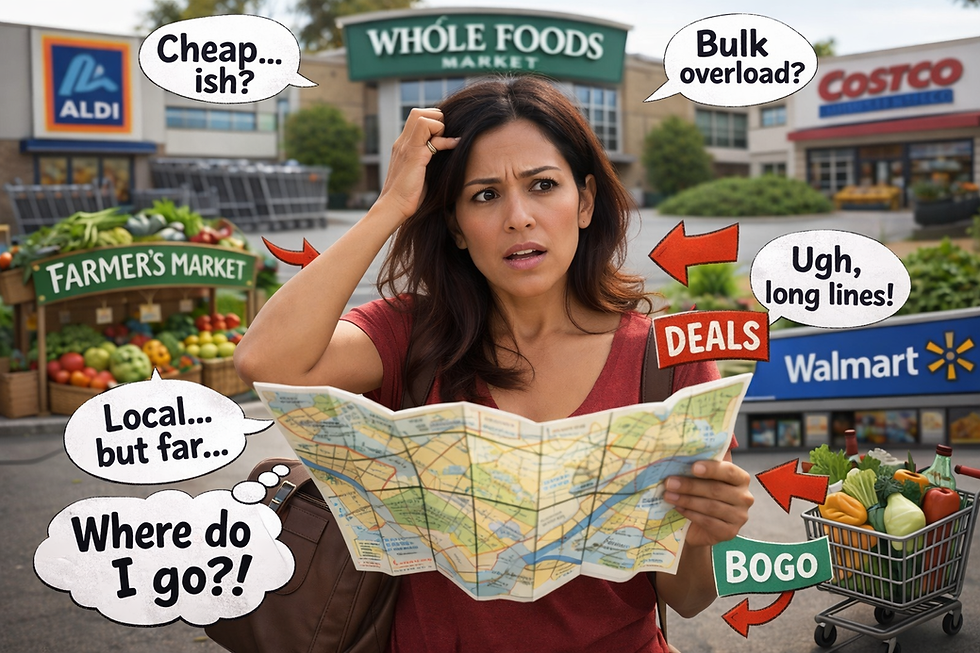
If your grocery bill still feels painfully high in 2026, you’re not mismanaging your money — and you’re definitely not alone.
Many families expected prices to come back down once inflation headlines cooled. Instead, grocery trips still feel like a shock. You walk in with a short list, walk out with fewer bags, and somehow spend more than you planned. It’s frustrating, confusing, and for many households, emotionally exhausting.
The reality is that grocery inflation didn’t really “go away.” It simply changed form. Prices stabilized at a higher level, costs shifted behind the scenes, and families were left adjusting without clear explanations.
So let’s talk honestly about why groceries are still expensive — and what families can realistically do about it in 2026 without extreme deprivation, unrealistic budgeting, or spending hours clipping coupons.
Why Grocery Prices Never Came Back Down
When people hear that inflation has “cooled,” it’s easy to assume prices should fall. But inflation slowing does not mean prices reverse. It simply means they are rising more slowly than before.
Grocery prices surged aggressively between 2021 and 2023. By the time inflation eased, stores had already reset pricing structures. Those higher prices became the new normal, and businesses had little incentive to roll them back.
At the same time, many of the cost pressures that pushed prices up never fully disappeared. Labor costs remain higher across food production and retail. Transportation and refrigeration costs increased permanently due to energy volatility and infrastructure changes. Packaging costs rose and stayed elevated. All of that is now built into the shelf price.
In other words, grocery inflation didn’t retreat — it settled in.
The Quiet Impact of Shrinkflation
One of the biggest reasons grocery bills still hurt isn’t just pricing — it’s quantity.
Shrinkflation quietly reshaped grocery shopping. Boxes got smaller. Packages lost ounces. “Family size” became more of a suggestion than a guarantee. The price tag stayed similar, but the value dropped.
This is especially damaging for families because meals are volume-based. You don’t eat percentages — you eat portions. When a box of pasta feeds fewer people or a bag of snacks lasts two days instead of four, families are forced to buy more frequently, even if they’re spending “the same.”
Shrinkflation doesn’t show up clearly in inflation reports, but it absolutely shows up in your monthly budget.
Why Store Brands Don’t Save Like They Used To
For years, store brands were the safety valve for family budgets. When name brands got expensive, families switched to generics and kept costs manageable.
In 2026, that gap has narrowed.
Many grocery chains quietly eliminated their cheapest private-label options and replaced them with premium or “organic-inspired” versions. While still slightly cheaper than name brands, these newer store brands are often far more expensive than the generics families relied on just a few years ago.
The result is fewer true low-cost choices, even for budget-conscious shoppers doing everything “right.”
Grocery Stores Changed Their Playbook
Sales and promotions also look different now.
Instead of straightforward discounts, many stores lean into loyalty pricing, bundle deals, and psychological pricing strategies. Shoppers feel like they’re saving, but without tracking unit prices, it’s easy to miss that the deal isn’t actually better.
In some cases, prices rotate rather than drop. An item is discounted one week, then raised the next. Families chasing sales can end up buying inconsistently and overspending without realizing it.
The Emotional Cost of Grocery Inflation
What often gets overlooked is the emotional toll.
Food is not optional. Families can’t simply opt out of groceries when prices rise. Parents carry the pressure of feeding their kids well, staying within budget, and avoiding guilt — all at the same time.
Over time, this stress leads to fatigue-driven decisions. Convenience foods creep in. Fewer meals are planned. Small impulse purchases feel justified because everything already feels expensive anyway.
This isn’t failure. It’s human behavior under financial strain.
What Families Can Actually Do About It in 2026
The good news is that families are not powerless — but the solutions look different than they did in the past.
Saving money on groceries in 2026 isn’t about extreme couponing or eating bland meals. It’s about smarter systems, better tools, and shifting how decisions are made.
Grocery Apps That Actually Help in 2026
One of the biggest changes in recent years is how grocery-saving apps have evolved.
Instead of simple rebate apps, newer platforms now use price tracking, receipt analysis, and AI-driven recommendations to help families see patterns they would never notice manually.
Some apps automatically scan receipts and flag items that are consistently overpriced at your store. Others compare regional pricing and suggest which store is best for specific categories, not just overall trips.
There are also apps that help families time purchases better — showing when items typically go on sale and when to stock up versus wait. This turns grocery shopping from guesswork into informed planning.
The key difference in 2026 is automation. Families no longer need to manage everything manually. The best apps quietly work in the background, saving money without adding mental load.
The Rise of “Category Shopping”
Another shift that saves real money is abandoning the idea of one-store grocery trips.
Families who save the most now shop by category, not by habit. One store for produce. Another for pantry staples. Another for meat or frozen foods.
This doesn’t mean driving all over town every week. Many families rotate stores over the month, gradually stocking categories when prices are best.
This approach reduces impulse buying and prevents overpaying simply because an item is “convenient.”
Why Meal Planning Looks Different Now
Traditional meal planning often fails because it’s rigid. Families plan seven dinners, life happens, and food goes to waste.
In 2026, flexible meal frameworks work better.
Instead of planning specific meals, families plan meal types. A protein base, a carb base, and flexible add-ins. This allows substitutions when prices fluctuate without derailing the plan.
When chicken is expensive, swap in beans or eggs. When fresh produce spikes, frozen steps in. Flexibility is what protects the budget.
Stocking Smart Without Panic Buying
Stocking up still matters — but only strategically.
Families save the most when they stock items that actually get used, have long shelf lives, and replace frequent purchases. This includes pantry staples, freezer-friendly proteins, and household basics.
What no longer works is buying in bulk just because something looks like a deal. Bulk prices are not always better anymore, and oversized packages can lead to waste if they don’t fit your family’s routine.
Smart stocking is intentional, not reactive.
Teaching Kids the Reality Without Stress
One of the most powerful long-term strategies is involving kids appropriately.
This doesn’t mean burdening children with financial anxiety. It means teaching awareness. Showing unit prices. Letting kids help compare options. Explaining why some items are treats rather than weekly staples.
Kids raised with food awareness grow into adults who waste less, plan better, and respect money without fear.
The New Goal Isn’t “Cheap” — It’s “Controlled”
In 2026, the goal for families isn’t to make groceries cheap again. That era may not return.
The goal is control.
Control over spending. Control over habits. Control over emotional decisions. Control over systems that work even when prices fluctuate.
Families who regain that control stop feeling punished at checkout. They stop blaming themselves. And they start feeling confident again — even in an expensive world.
Final Thoughts for Families Feeling the Pressure
If grocery bills still feel heavy, it’s not because you failed to adapt. It’s because the system changed faster than most families were told.
But with better tools, smarter strategies, and realistic expectations, families can still thrive. Not by doing everything perfectly — but by doing a few things consistently.
You don’t need to win every grocery trip. You just need to stop losing them.
And that’s absolutely possible in 2026.


Comments